-

- Magazin
-
Beiträge
Seasonal sweets: This is how brands use them successfully
Seasonal sweets: The appeal for brands
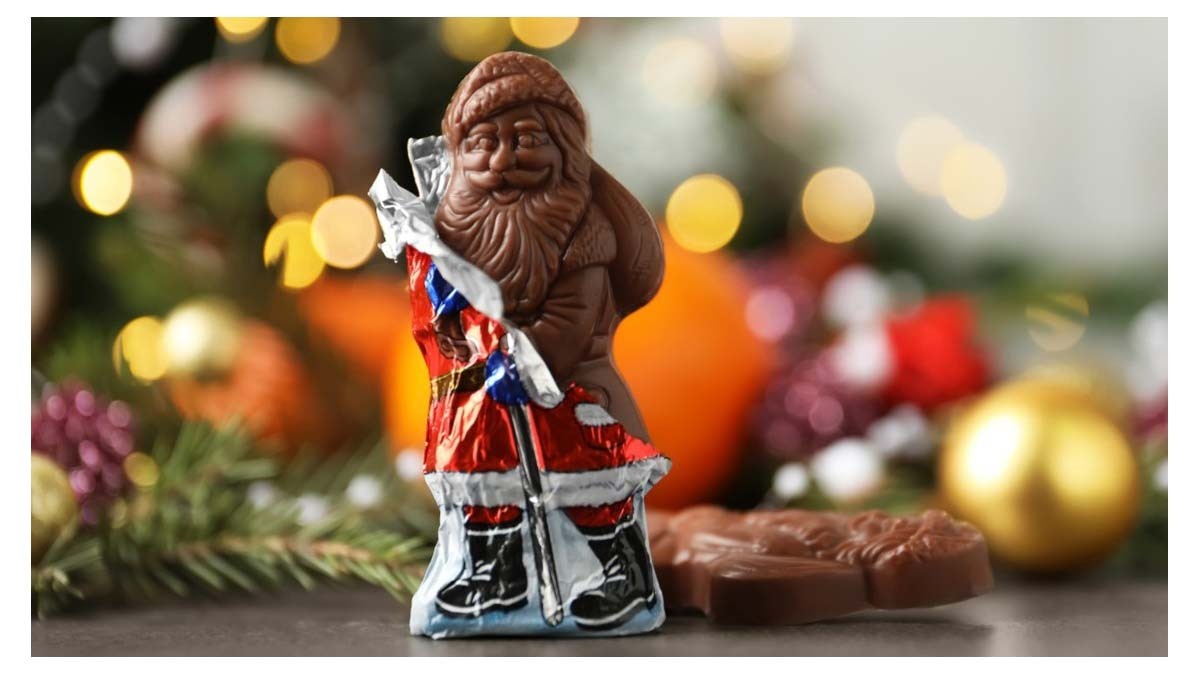
In addition to high turnovers, the time prior to public holidays like Easter and Christmas offers brands above all one thing: new opportunities in product management. Seasonal sweets have a special buying incentive for consumers because of the temporal limitation and enable brands to be creative in the product development area. Because seasonal products are only available for a limited period of time, they attract attention and trigger off a must-have effect among the customers.
Seasonal items serve several functions for the manufacturers:
- With limited editions brands can try out new flavours, textures, formats and packaging without greater risks.
- The seasonal products motivate the customers to impulse buying and generate turnover peaks over the course of the year.
- By picking up on seasonal motifs and public holiday rituals, brands have an emotional impact on the consumers and this strengthens the brand loyalty.
Behind the scenes: This is how seasonal sweets come about

Sabine Dubenkropp, Product Developer at Sawade GmbH (Image: © Sabine Dubenkropp)
How are seasonal sweets actually developed? To answer this question, we interviewed Sabine Dubenkropp, Product Developer at Sawade GmbH.
About Sabine Dubenkropp
Sabine Dubenkropp is employed as Product Developer at Sawade GmbH, Berlin's oldest pralines manufacturer. The German master chocolate maker and confectioner has a Bachelor of Science in Culinary Arts and has gained extensive expertise in over 20 years in product development and the fine pastries segment.
What is more inspiring when developing new seasonal products - traditions, trends or spontaneous creativity?
"We basically orient ourselves on what distinguishes Sawade: handcrafted production, high-quality raw materials and an attractive design language. Trends can provide inspiration, but we only pick up on those that harmonise with our brand. Spontaneous ideas are also implemented, whereby we consciously don't try to achieve spectacular effects, but rely instead on harmonious, comprehensible flavour combinations. Our pralines are traditional in the best sense of the word, our boxes and packaging timeless and elegant."
How is a new seasonal product created from the first idea to the market launch?
"First of all, there is an initial exchange between the marketing, sales, product management and product development teams. We discuss the idea and examine which raw materials in the desired quality we want to use for this idea. First samples are produced on this basis that are tasted and further developed in several rounds. Parallel to this we clarify issues such as the decoration, production capability and durability. A test run of the production line shows whether the praline runs through stably and, if necessary, adaptions are made to the recipe. This is followed by a storage test over several months with regular laboratory analyses. About a year goes by from the initial discussion to market launch, during the course of which many additional steps such as pricing, package design and finally the photograph of the new product before the item goes live take place."
How can one combine tradition and innovation without diluting the brand identity?
"By always considering new ideas from the perspective of our brand. Sawade stands for traditional craftsmanship and clear, understated aesthetics. Innovation doesn't mean being as unusual as possible for us, it involves further developing the existing principles in a contemporary manner. In this way, the core stays intact, while at the same creating scope for something new. Our heritage as Berlin's oldest pralines manufacture since 1880 forms the foundation here."
Which seasonal occasions or trends offer untapped potential for the future?
"There are many conceivable occasions such as school begin or Halloween. Whether we address these not only depends on the occasion itself, but also on whether it fits into our brand world and whether the effort, production and communication can be meaningfully executed. Some ideas are consciously left open until they truly suit Sawade."
The insights into the product development clearly illustrate how complex developing seasonal sweets is. It also becomes evident that the success of seasonal concepts is based on a clear understanding of the brand. Numerous examples of major seasonal occasions demonstrate how brands put these principles into practice.
Easter motifs promote brand loyalty
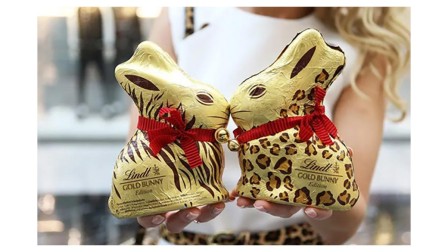
Golden bunnies with a leopard and zebra print - Lindt's Easter classic reinvented. (Image: © Lindt)
Easter is the first seasonal highlight of the year for many brands. In addition to chocolate Easter bunnies, Easter eggs and Easter nests are found in the sweets aisle - the consumers expect these products. Brands have a certain amount of leeway regarding innovative creations in the form of unique packaging, fillings and textures. It becomes evident here that consistent brand management is more effective than chasing short-lived trends. And with a unique product signature brands can successfully distinguish themselves from the masses.
Lindt's golden bunny is a prime example of this. Gold foil, a red ribbon and a bell: This packaging has enjoyed a high recognition level among the customers for years. It also reflects the high quality demand that the traditional company places in its products and underlines the brand's focus on indulgence items in the premium segment. Whereby Lindt doesn't merely rely on its popular original every year, it develops the traditional appearance further without compromising the design language. A few years ago, the company surprised its customers for instance with special editions that featured leopard and zebra prints. The success of the distinct brand management is reflected in the figures: The brand produces and sells around 150 million golden bunnies annually.
Pumpkin spice is establishing itself in the line-up.
The autumn is also firmly anchored in the seasonal sweets calendar. A seasonal trend that is ongoing: Pumpkin spice. The spicy trend originated in the year 2003, when Starbucks first brought out a pumpkin spiced latte in the autumn. Since pumpkins are closely associated with Thanksgiving and Halloween in American cultural history, further pumpkin-flavoured products quickly became popular and widespread in the USA.
Ultimately, especially thanks to the social media, the American autumn trend quickly advanced into a global phenomenon. In this way, pumpkin spiced products are meanwhile found throughout the food industry, including the sweets segment. Brands like Werther's Original or Oreo offer autumn versions of their products, including pumpkin-flavoured soft caramels and biscuits.
Halloween sweets in horror look and mini formats
In addition to spices, the autumn also offers brands scope for limited Halloween snacks. According to a HARIBO online survey primarily mini brand products (46%) as well as horror-look sweets (43%) are in demand, especially fruit gums (75%) and chews (63%). This trend reflects the practical added value that sticks in the consumers' minds at Halloween: When the children are stood at the door asking for "sweet or sour", smaller packets are practical and eye-catching horror-look motifs go down well.
Hence, brands like HARIBO, MAOAM and Trolli gladly accommodate their target group's wishes: They launch mini formats and classic Halloween motifs like bats or vampire teeth onto the market, often as limited editions of the brand classics. HARIBO's online survey confirms the success: In Germany, HARIBO, MAOAM and Trolli are considered the clear Halloween favourites - with 55, 34 and 28% respectively.
Winter editions inspired by public holiday traditions
The winter season comprises much more than the classic chocolate Santas nowadays. Different customs are associated with the Advent season - depending on the region and culture. These differences shape the seasonal product range.
For example, in Germany biscuits with spices like vanilla, cinnamon and ginger are typical during the pre-Christmas period. Brands like Schogetten, Rittersport or Halloren use this seasonal sensory tradition: Offering winter editions with speculatius creme fillings, apple and cinnamon versions or a touch of ginger, they bring the "cosy winter" flavour to the sweets shelves and play on the emotions of the target groups.
Candy canes on the other hand are one of the Christmas highlights in the USA. According to the legend, their history actually began in Germany. Cologne's cathedral director of music at the time gave candy canes shaped like a shepherd's crook to his choirboys. Via a German/Sweden immigrant in the 19th Century, the custom made its way to the USA , where the candy canes soon became Christmas decorations. Today, around 1.76 billion candy canes are sold in the USA a year, 90% of them between Thanksgiving and Christmas. Brands like Reese's and Hershey's have cleverly translated the candy cane tradition into their own product world, for example as chocolate in candy cane packaging or peppermint drops with a red and white pattern. They pick up on cultural customs with their brand adaptations, increasing their visibility at the same time.
Advent calendar as portion-sized Christmas joy
Advent calendars unite Christmas rituals, joyful anticipation and a diverse product range more than any other product. They offer brands a plannable and structured way of representing their product diversity. As such, Advent calendars are among the Christmas items that generate the highest revenue. Particularly Advent calendars that contain sweets and chocolate are popular. According to a YouGov survey, in 2024 over 26 million Advent calendars were sold in Germany, five percent more than in the previous year. Brands such as Milka and KitKat satisfy the growing demand, selling their branded Advent calendars successfully every year.
Higher turnover and more diversity through seasonal sweets
Seasonal sweets are attractive for manufacturers in several respects: Brands not only satisfy the expectations of their target group and generate revenue with seasonal products. They also successfully test new flavours, shapes and packaging concepts. Ideally, the seasonal limited editions are emotionally charged with the festive spirit and over years and decades are associated with certain public holidays - Lindt's golden bunnies and candy canes are proof of this.